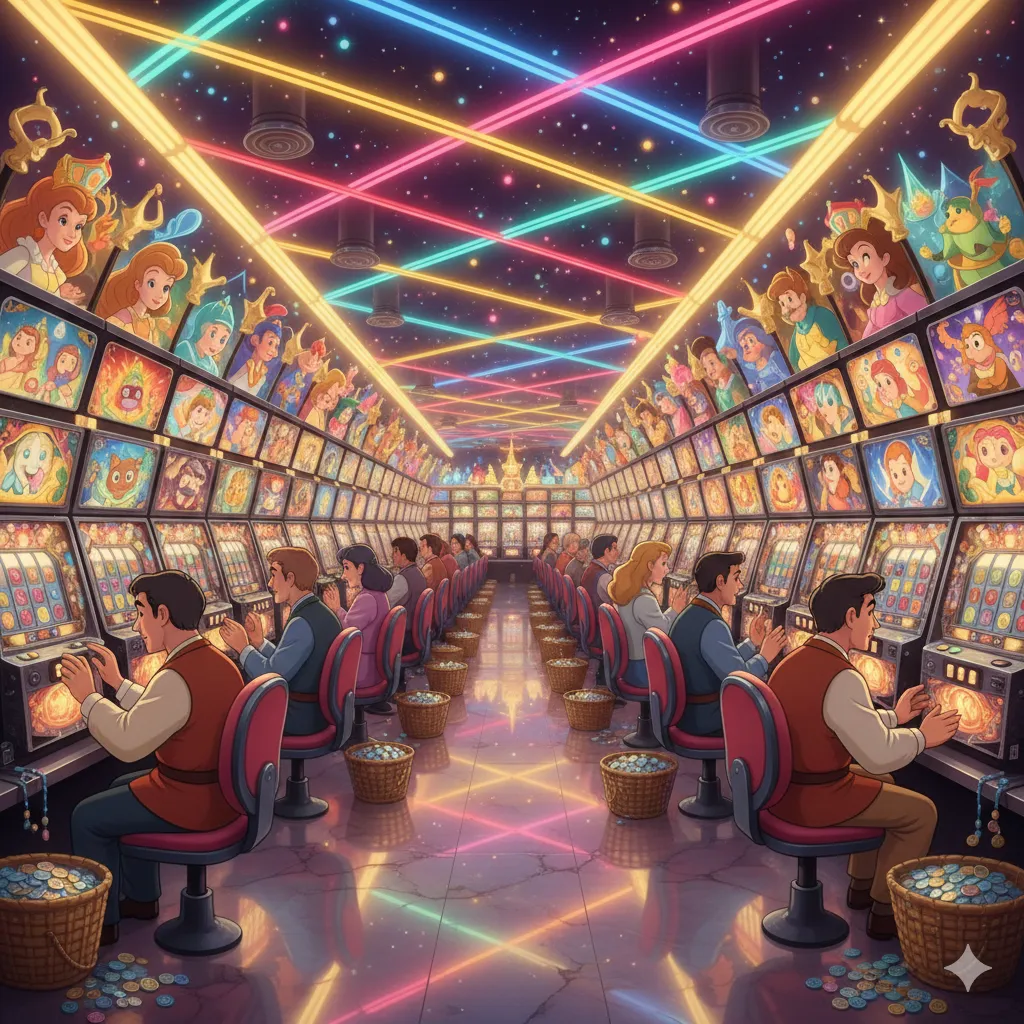
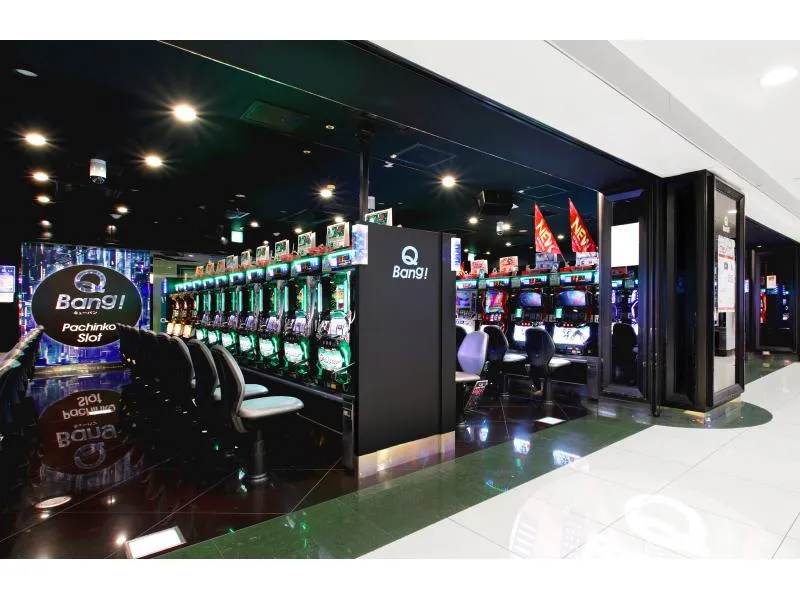
Every pachinko hall gradually develops its own character and internal rhythm. Some venues feel calm and evenly paced, while others appear brighter, more animated, and shaped by constant movement. First impressions often form the moment visitors enter, influenced by spatial design, visitor circulation, and the natural flow within the hall.
Across many of Tokyo's well-known leisure areas, pachinko halls remain active from morning until evening. These venues often preserve familiar structural patterns while introducing subtle adjustments that keep the environment feeling current without losing its established identity.
Some halls emphasize balance and ease, where movement feels smooth and the atmosphere remains comfortable. Others reflect a faster tempo, with brighter surroundings and a more energetic flow. In such districts, pachinko entertainment often feels dynamic, shaped by steady arrivals, ongoing circulation, and a lively setting that continues throughout the day.
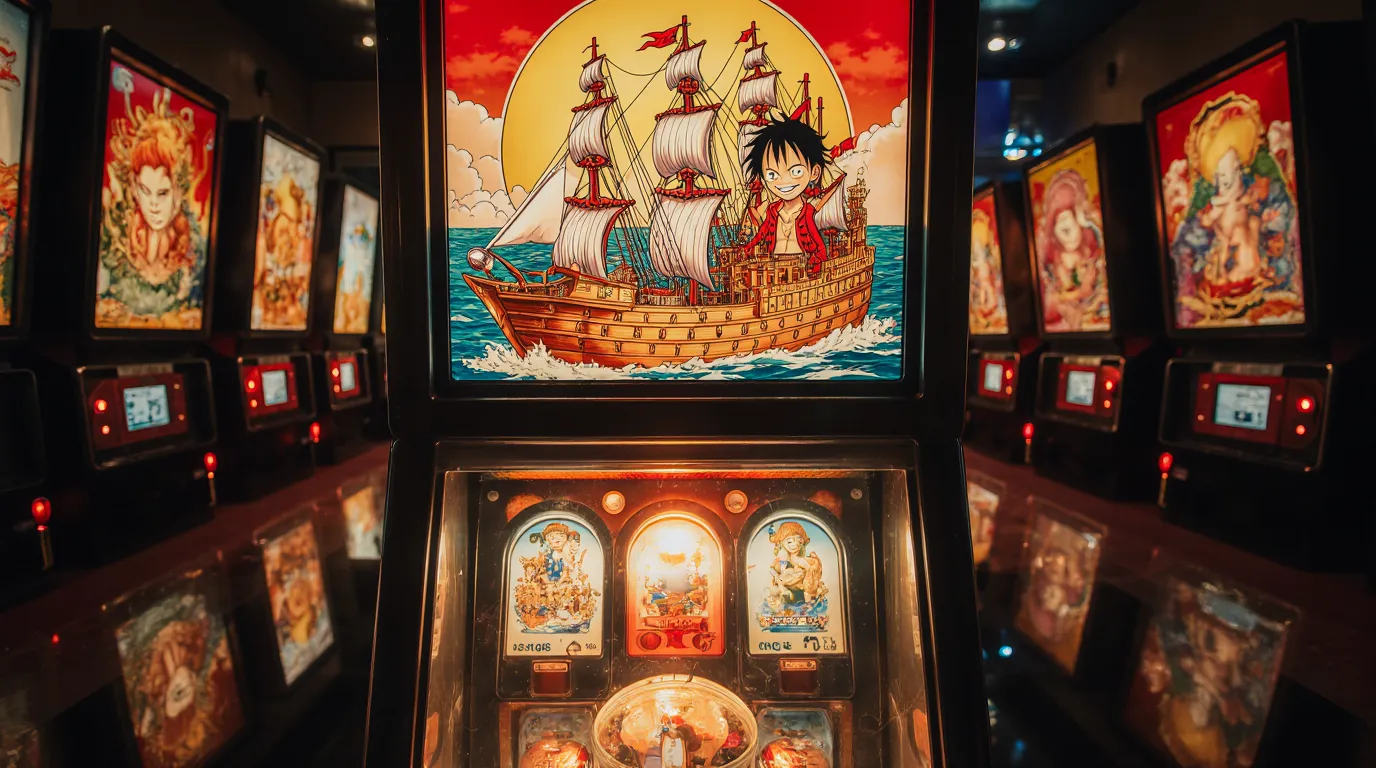
Pachinko halls located in Osaka's active entertainment zones often feel spacious, animated, and full of motion. Many create an immediate sense of engagement, offering environments that feel approachable and welcoming from the first step inside.
This style appeals to visitors who enjoy a quicker rhythm and prefer spending time in spaces where surrounding energy is noticeable and consistent, adding momentum to the overall pachinko entertainment experience.
Many modern pachinko halls are designed to support longer visits. These venues place emphasis on clean, well-maintained interiors, stable climate conditions, and seating arrangements that prioritize comfort over time.
The overall mood often feels relaxed and unforced, allowing visitors to pause when needed and enjoy pachinko entertainment at a steady, comfortable pace.
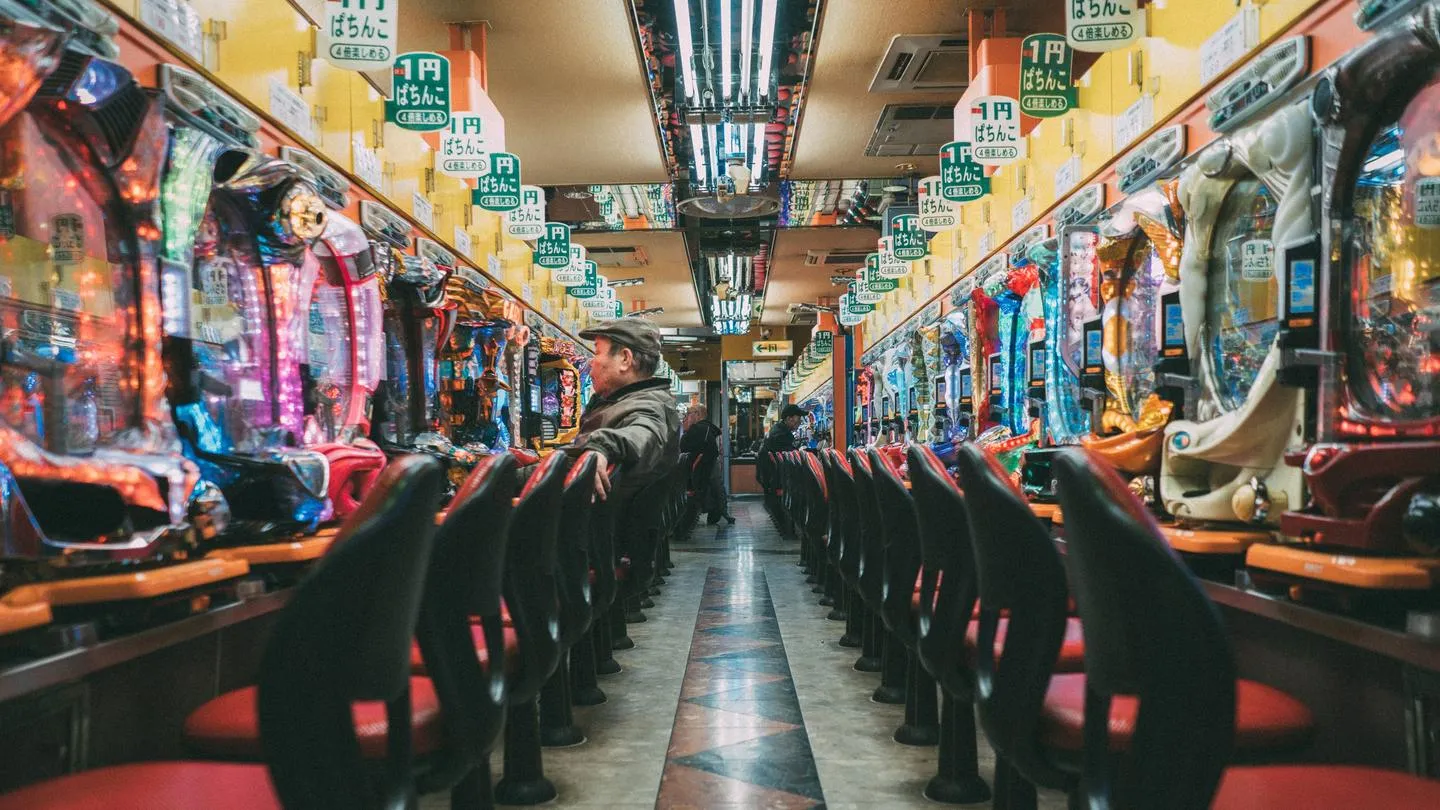
Long-established pachinko venues often retain a visual style that feels instantly recognizable. These halls typically offer a composed and steady environment shaped by routine and long-standing habits.
They reflect the heritage of pachinko entertainment and show how it has remained a familiar part of everyday leisure across different generations.
Pachinko halls extend beyond being enclosed leisure spaces. They form part of a broader entertainment culture across Tokyo and Osaka, where the experience feels active yet quietly shared.
Background sound, continuous movement, and the presence of others blend naturally, creating an atmosphere that feels energetic, connected, and woven into daily leisure life.
Stepping into a pachinko hall often feels like entering a snapshot of everyday leisure life. It reflects a tradition shaped by rhythm, atmosphere, and the simple enjoyment of free time — a form of entertainment that has remained familiar and relevant over many years.
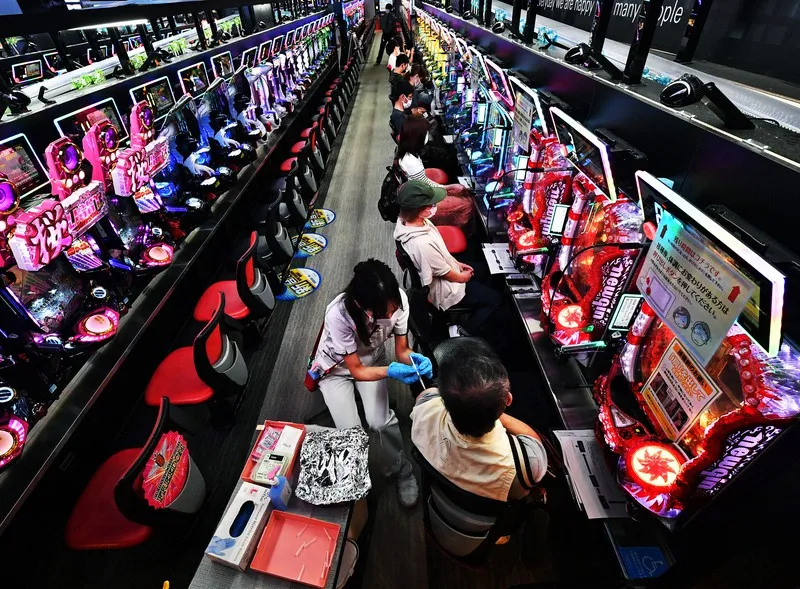
Many pachinko halls feel open and communal, allowing visitors to spend time alongside others without any expectation of interaction. The experience carries a subtle social quality shaped by shared rhythm, steady movement, and consistent activity throughout the space.
One reason pachinko venues leave a strong impression is their clear and logical layout. Defined zones and intuitive pathways help visitors move through the hall easily, creating a sense of orientation without effort.
Pachinko entertainment fits naturally into different schedules and moods. Some visitors stop by briefly during a busy day, while others choose to stay longer and enjoy a slower pace. This flexibility makes pachinko halls suitable for a wide range of visiting styles.